
Technical notes
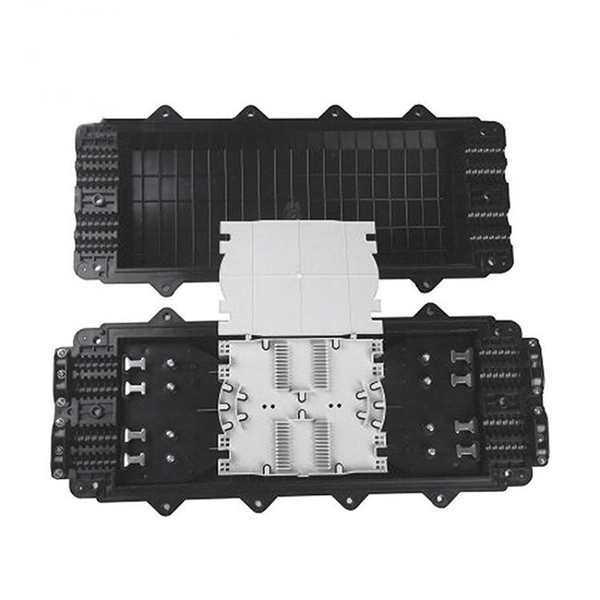
Fibre Optic Network Design Principles – Wray Castle
Most metropolitan, campus, and FTTH networks follow a hierarchical structure with three distinct layers: Access, Distribution, and Core. This layered approach simplifies troubleshooting,
The FOA Reference For Fiber Optics
A major problem in older buildings has been finding places to run cables to each subscriber, but new types of bend-insensitive fiber and the special small drop
A Guide to Fiber Optic Network Planning and Design
Cable routing involves considering factors such as existing infrastructure (utility poles, conduits), rights of way, permitting requirements, and minimizing potential disruptions to the
Handbook – Optical fibres, cables and systems
The ITU-T has published a complete set of Recommendations dealing with the above subjects: Recommen- dations of the ITU-T G-series on optical fibres and systems and Recommendations of
The Complete Guide to Fiber Optic Network Design and
In this broad guide, we will run through why, what, and how of Fiber optic network design and deployment — covering planning, challenges, best
Understanding the Basics of Fiber Optic Network Design
Fiber optic network design involves planning how to connect points A and B (and often C through Z) using thin strands of glass that carry light signals. Think of it like designing a highway...
Design Guide
Unlike copper cabling, within the standards there are many options on what kinds of fiber optic cable to choose, which fibers make sense and what connector types and termination methods to use.
Fiber Optics Fundamentals: Construction, Transmission, and
The performance of a fiber optic cable is determined largely by its internal structure, which consists of three main elements: the core, the cladding, and the buffer coating (also referred to as the outer jacket).
Fibre Cable Routing Guide | Best Practices for Structured Fibre
In real-world deployments, routing decisions directly affect installation performance, maintenance accessibility, and network lifespan. This guide explains how experienced technicians route fibre
What are the fiber optic cable routing rules in a Fiber
It is ideal for harsh environmental conditions. Conclusion Proper fiber optic cable routing in a Fiber Distribution Box is essential for the optimal
The FOA Reference For Fiber Optics
Fiber To The Home Network Design There is really no way to generalize on the design process for fiber to the home (FTTH) networks - or any fiber optic network
Best Practices for Designing Indoor Fiber Optic Routing in 2025
Ensure safe, efficient indoor Fiber Optic Routing in 2025 with expert design tips, compliance standards, and future-ready installation practices.
Handbook – Optical fibres, cables and systems
The simultaneous availability of compact sources and of low-loss optical fibres led to a worldwide effort for developing optical fibre communication systems. The real research phase of fibre-optic
Fiber Optic Cable Installation Best Practices: Ensuring Optimal
Whether you''re installing new fiber optic networks or maintaining existing systems, proper cable selection, routing, handling, splicing, and testing are critical to ensuring optimal performance
Design Guide
Fiber optic cables, especially backbone cables, may contain many fibers that connect a number of different links which may not even be going to the same place. The fiber optic cable plant, therefore,
Users Guide To Fiber Optic System Design and Installation
When designing or installing fiber optic cabling, the contractor can either design to cabling standards, which allows use with any network or communications system designed for those standards, or for a
Basic Principles of Fiber Optics Series: Refraction
This article examines the principle of refraction and how it applies to fiber optics. Learn what causes refraction, how to calculate an index, and how
Optical Fiber Structures and Light Guiding Principles
Photonics technology is the basic indispensible tool and foundation for optical fiber communications. To understand how light signals travel along an optical fiber, this chapter first
Related Video Reference
This video was associated with the source search result. Verify technical details against current product documentation and project requirements.