
Technical notes
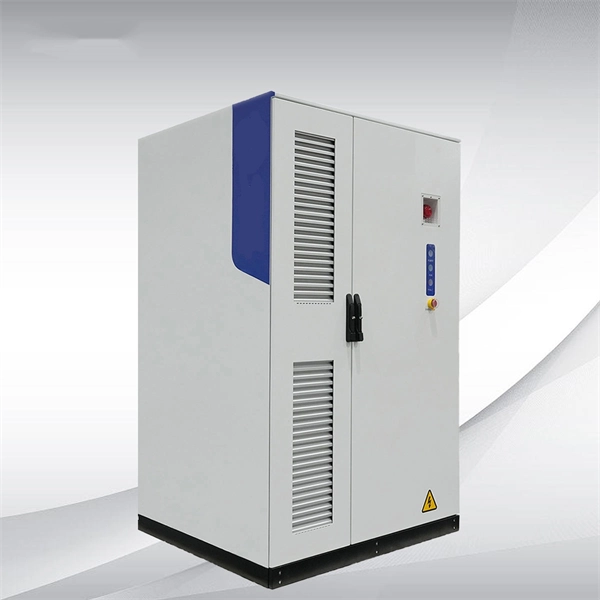
Optical Line Terminals Information
This system facilitates multiplexing of data streams between signal conversion instruments at the opposite ends of the network, known as optical network units
Fiber Multiplexers
Transparent to incoming data, it effectively doubles existing fiber optic cable capacity by multiplexing two separate channels over one single mode fiber. Dual two-channel units are also available.
The latest optical line termination (OLT) solutions for 2024
A look at the market for network optical line termination (OLT) equipment and some of the products and solutions available.
Multiplexers – Fosco Connect
STM1 32 T1 or E1 terminal & add-drop multiplexers, optical fiber uplink modules, low cost 4 lines T1/E1 fiber multiplexers, serial datacom card V.35/X.21/RS232 and more.
Fiber Optic Switches, Multiplexers, Demultiplexers
Shop DigiKey''s large in-stock selection of Fiber Optic Switches, Multiplexers, Demultiplexers. View inventory, pricing and order now for same day shipping!
Connecting Distant FTTH Customers
Dense wavelength division multiplexing (DWDM) provides a versatile, cost-effective platform for connecting the ROLT to the optical transport network while maximizing fiber capacity.
Passive optical network
In this one-to-many topology, a single fiber serving many sites branches into multiple fibers through a passive splitter, and those fibers can each serve multiple sites
What is OLT? The Ultimate Guide to Optical Line
Explore what an OLT (Optical Line Terminal) is, its role in FTTH networks, and a detailed comparison between market leaders Huawei and ZTE
Multiplexers & Media Converters
Moog multiplexers are designed to provide reliable fiber optic transmission of video and data signals in the demanding subsea applications, robust defense systems,
What Is a Mux (Multiplexer)? | Equal Optics
How Does a Mux Work? Fiber optic multiplexers work by assigning a wavelength to each signal received. These are then combined and sent as a
Fiber-optic communication
Modern fiber-optic communication systems generally include optical transmitters that convert electrical signals into optical signals, optical fiber cables to carry the
What is WDM or DWDM?
What is WDM or DWDM? Wavelength Division Multiplexing (WDM) is a fiber-optic transmission technique that enables the use of multiple light wavelengths (or colors) to send data over the same
Fiber Optic Terminal Box Guide: Choosing the Right Enclosure for
Discover how to select the best fiber optic terminal box for data centers, campus fiber backbones, outdoor FTTH networks, and enterprise fiber systems. Learn how environment, capacity,
Ethernet Multiplexers
Multiplexers Ethernet Transporting combinations of Telephone, Serial, 600ohm Analog and/or Dry Contact over Ethernet Fiber. These Ethernet multiplexers transports combinations of Serial, 600 ohm
Small Form-factor Pluggable
Small Form-factor Pluggable (SFP) is a compact, hot-pluggable network interface module format used for both telecommunication and data communications applications. An SFP interface on networking
Get reliable Fiber Multiplexers from US stock with fast shipping
All our models of fiber optic multiplexers support remote management and have optional service line ports. Capacity starts with 4 T1 or E1 interfaces on low entry models and goes up to 63 T1s or E1s
Best Fiber Optic Multiplexer? Why they''re so good? Wiki with product
How does a fiber optic multiplexer work? Fiber optic multiplexers are used at one end of a fiber optic cable so that many things can send information over the same wire.
Multiplexing optical fiber sensors | Springer Nature Link
In this chapter we introduce the subject of the multiplexing of optical fiber sensors, explaining what is meant by multiplexing, and outlining the various techniques that are available for the implementation
Related Video Reference
This video was associated with the source search result. Verify technical details against current product documentation and project requirements.