
Rf Attenuators Analog Devices
Search optical fiber, connectivity, cable management and network infrastructure references.
- Attenuators
- Analog
- Devices
Articles and technical references
10 on this page-
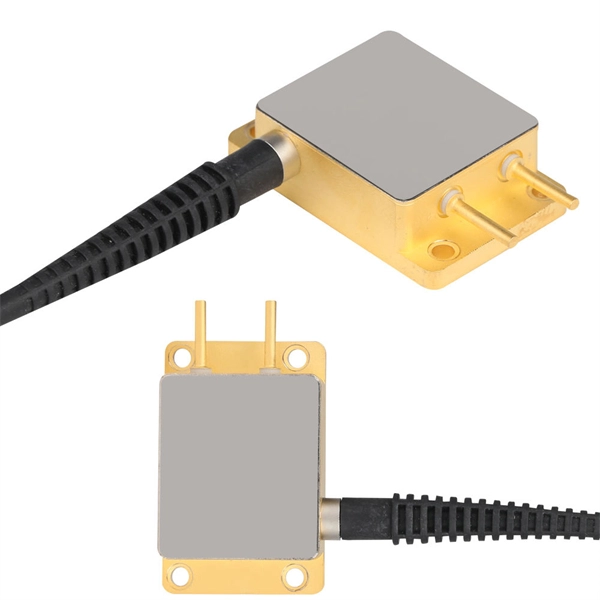
New Specifications and Models of BERT Error Correction Devices in the Ten ASEAN Countries
Bit Error Rate (BER) is a measure of telecommunication signal integrity based on the quantity or percentage of transmitted bits that are received incorrectly. Essentially, the more incorrect bits, the greater th.
-
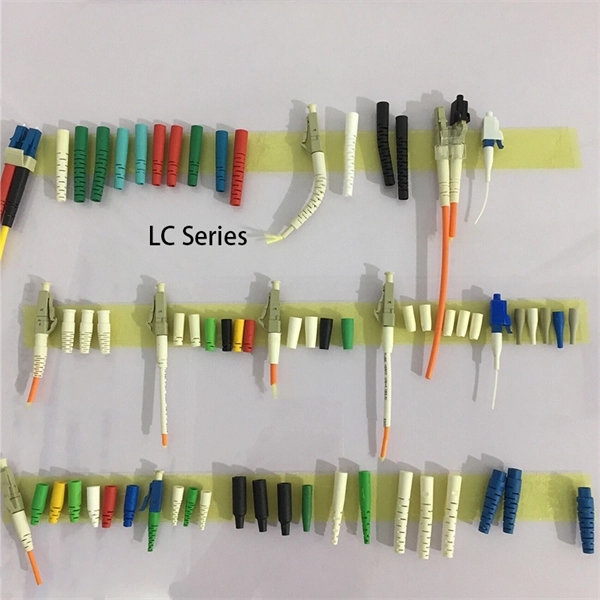
Where to buy fixed optical attenuators
Use this optical attenuators buying guide to compare major types, define selection criteria, and find suppliers: �� Encyclopedia article: optical attenuators 📦 Top-level product category: optical components and devices Click on a logo to get to the details of that supplier's...
[PDF Version]
-
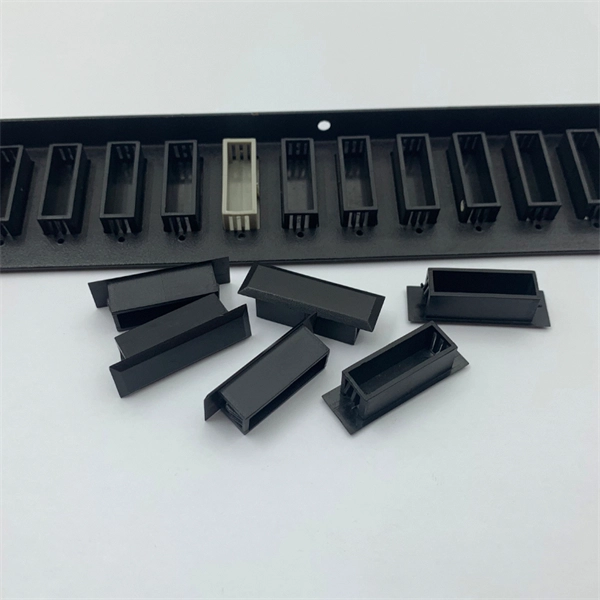
RF Adjustable Attenuator Integrated Chip
Fully integrated RF Chip Attenuators with selectable fixed attenuation are designed to simplify RF signal control by reducing power levels and improving signal integrity in a small, reliable package. ). Analog Devices' RF attenuators are available in a broad range of...
-
Disadvantages of fiber optic cable bundling devices
While neat bundles can provide an organized appearance, they can also introduce technical challenges such as heat buildup, signal degradation, and interference. However, like any technology, fiber optic cables are not without their drawbacks. One of the most significant...
[PDF Version]
-
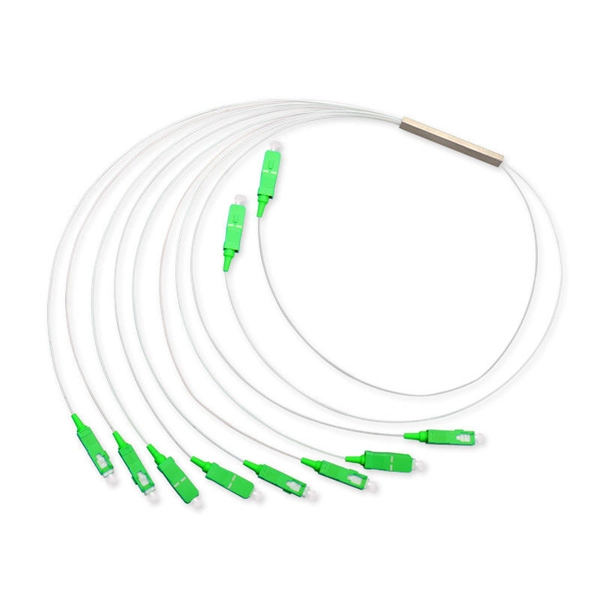
Common Passive Optical Devices in Everyday Life
Some of the most common optical passive components include optical couplers, optical splitters, optical filters, optical connectors, optical attenuators, optical circulators, optical isolators, optical switches, and optical add/drop multiplexers. Optics engineering focuses on...
[PDF Version]
-
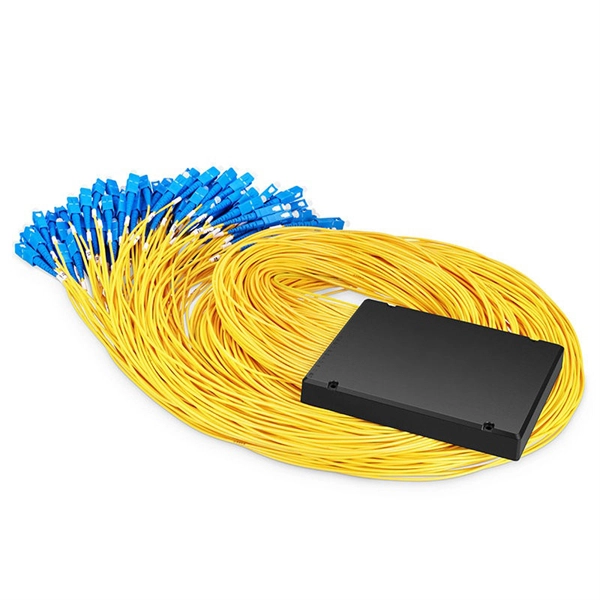
What are special optical fiber passive devices
Optical passive components refer to devices that handle optical signals but require no outside electrical power. They don't add gain or require power, but they decide how efficiently, cleanly, and safely light moves through your network or laser chain. This guide blends clear...
[PDF Version]
-
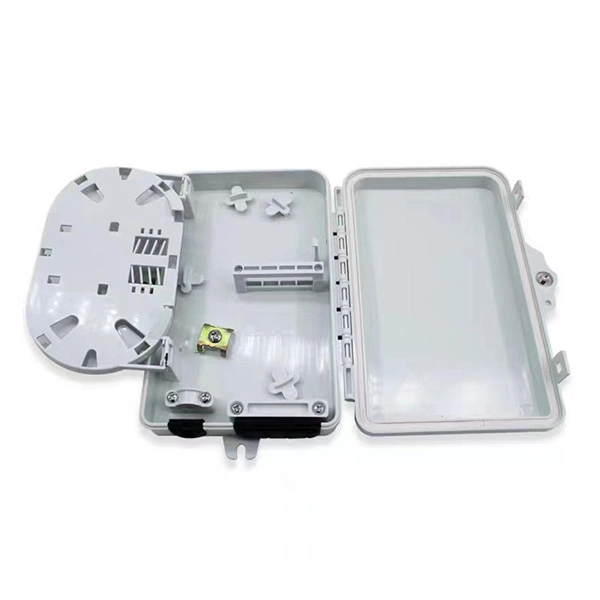
Types of cable tray lead-out devices
Explore various cable tray types and sizes for electrical installations. Learn about ladder, perforated, solid-bottom, wire mesh, and channel trays in this complete guide. Our focus has always been on solutions from the field of cable support systems. Establishing...
[PDF Version]
-
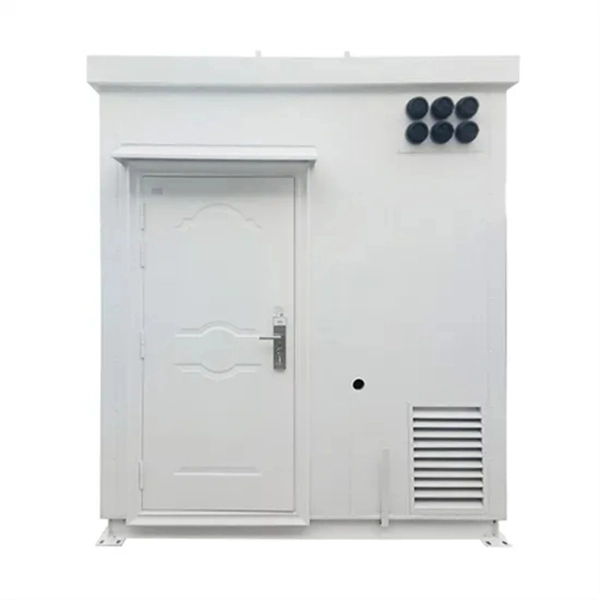
Reasons for Self-Test Alarms from Relay Protection Devices
Self-test mechanisms measure and verify that power supply voltages are within range, validate checksums of data, check the ability to read and write to memory, ensure that analog-to-digital conversion is correct, and monitor watchdog timers. One of the many advantages of SEL...
[PDF Version]
-
Relay protection devices have several modules
Relay modules come in various configurations, including single-pole, double-pole, and multi-pole variations, each being suited for different applications. Single-pole relays have one set of contacts, while double-pole relays have two sets, enabling control of multiple...
[PDF Version]
-
Do relay protection devices need to be grounded
Low resistance grounding of the neutral limits the ground fault current to a high level (typically 50 amps or more] in order to operate protective fault clearing relays and current transformers. These devices are then able to quickly clear the fault, usually within a few...